Over 125 years of Hills Quarry Products’ commitment to quarry restoration and local landscapes for the community.
For Hills Quarry Products, responsible quarrying goes far beyond supplying high-quality aggregates and concrete. Since first quarrying at the Cotswold Water Park in 1919, quarry restoration is always been important to us.
Responsible quarrying is about land stewardship, biodiversity and long-lasting community value. Across our extensive network of quarries and ready-mixed concrete plants throughout southern England, every site is developed with a future-facing approach so that, when our quarrying ends, the land is restored and returned to nature and community use.
Why restoration matters
Quarries are essential to modern life, supplying sand, gravel, stone, decorative aggregates and ready-mixed concrete to builders, landscapers, civil engineers and homeowners throughout Berkshire, Dorset, Gloucestershire, Oxfordshire, Wiltshire and beyond.
However, extraction alone doesn’t define the legacy we leave behind when our quarries are completed. We ensure restoration is built into every project from day one:
-
We collaborate with ecologists, local authorities and conservation partners to design holistic restoration plans.
-
As extraction progresses at quarries like Mortimer Quarry, Shorncote Quarry and Upwood Quarry, restoration work begins in parallel so that areas no longer needed for mineral extraction are transformed ahead of schedule.
Award-winning restoration at Shorncote Quarry
One standout example is Shorncote Quarry in the Cotswold Water Park.
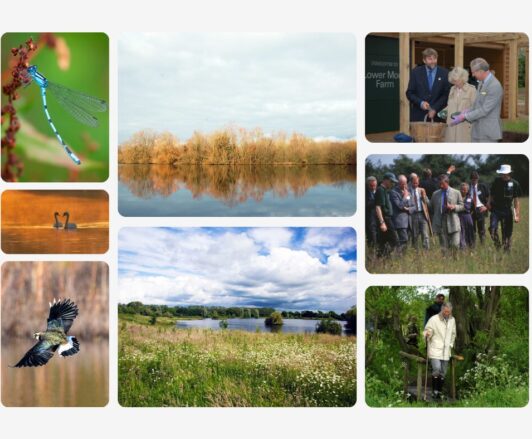
Formerly a working sand and gravel site, the area is now an internationally recognised landscape of lakes and wildlife habitats, part of a 40-square-mile network of water bodies created through careful restoration. Hill Quarry Products’ work at Shorncote has earned UEPG Aggregates Europe ‘Excellence in Restoration’ and Mineral Products Association accolades for pioneering habitat creation that supports birds, mammals and aquatic life.
Biodiversity and people in harmony
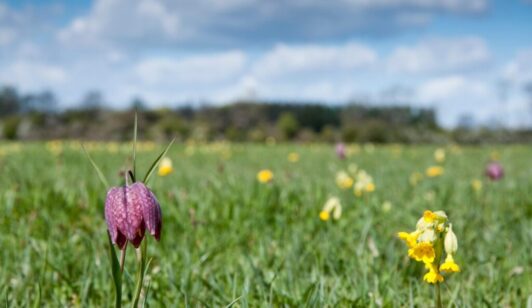
Restored quarry sites often become dynamic ecosystems:
-
At Lower Moor Farm (a former Hills quarry), wetland habitats, lakes and meadows now flourish in partnership with the Wiltshire Wildlife Trust, illustrating how it’s possible to turn industrial land into thriving nature reserves.
-
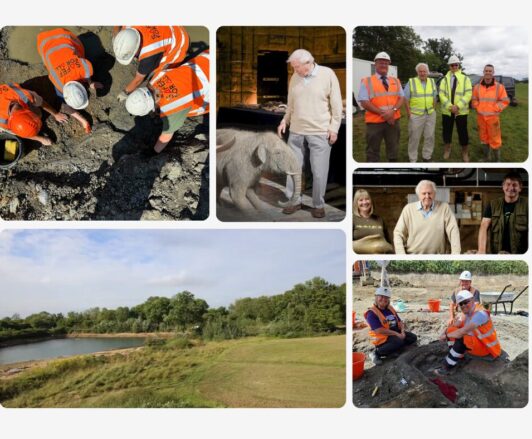
Beyond wildlife, restored landscapes support archaeology and paleontology, from significant Ice Age fossil digs at Cerney Wick to public exhibitions that invite local communities to explore their natural heritage.
Our quarry locations across southern England
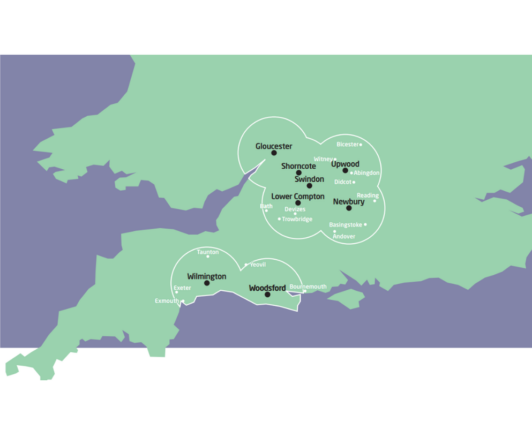
Our restoration success spans Hills Quarry Products locations right across the South of England. Each site not only delivers essential materials for construction, agriculture, landscaping and leisure, but also carries a tailored plan for its environmental future:
-
Cerney Wick Quarry & Concrete Plant – Gloucestershire
-
Mortimer Quarry – Berkshire
-
Shorncote Quarry – Gloucestershire/Wiltshire border
-
Upwood Quarry – Oxfordshire
-
Woodsford Quarry – Dorset
-
Plus our ready-mixed concrete plants and rail depot site supporting local infrastructure.
Restoring our quarries is part of our 125 year legacy
For Hills Quarry Products, restoration isn’t an afterthought. It’s part of who we are.
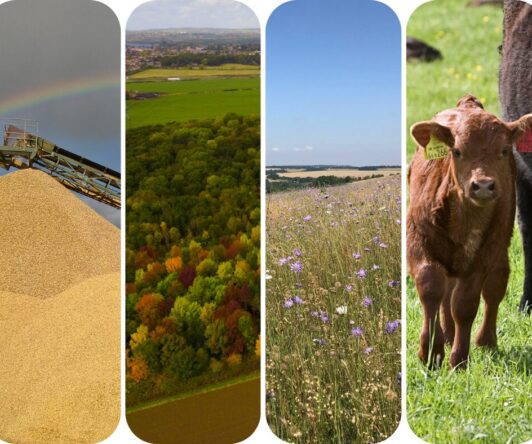
By planning responsibly, working with conservation partners and embedding biodiversity into post-quarry landscapes, we create spaces that support wildlife, local communities and future generations.
Whether that’s wetland reserves, woodlands, grassland habitats or multi-use greenspaces, the land we restore continues to give back long after extraction finishes.